

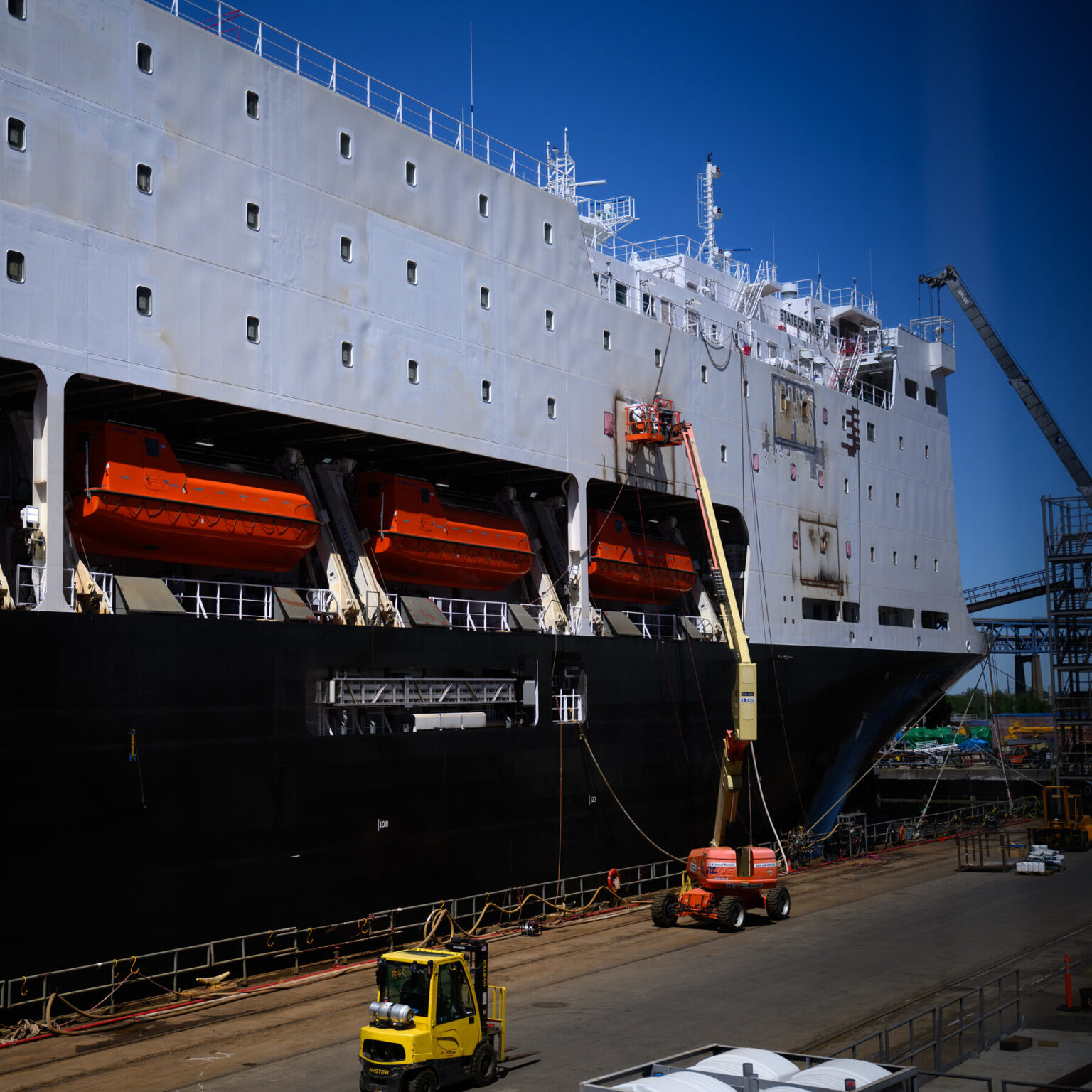
The Trump administration has released a detailed framework aimed at revitalizing America’s shipping industry, outlining sweeping changes designed to enhance domestic maritime capabilities and reduce reliance on foreign vessels in critical supply chains.
According to White House officials, the comprehensive plan addresses longstanding challenges in the U.S. maritime sector while positioning American shipping companies to compete more effectively in global markets.
Key Components of the Maritime Initiative
The administration’s strategy centers on regulatory streamlining and targeted infrastructure investments, according to senior officials familiar with the proposal. The plan reportedly includes provisions for expedited permitting processes for shipbuilding facilities and enhanced support for domestic vessel construction.
Officials say the initiative would modify certain aspects of the Jones Act, the century-old law requiring goods transported between U.S. ports to be carried on American-built, American-owned, and American-crewed vessels. However, the administration emphasizes that core protections for domestic maritime workers would remain intact.
The proposal also includes establishing new training programs for maritime workers and expanding port automation capabilities to improve efficiency at major shipping hubs across the country.
Economic Impact and Industry Response
Industry analysts suggest the changes could significantly impact America’s $150 billion maritime economy. The U.S. shipping sector currently employs approximately 650,000 workers directly, with millions more jobs dependent on maritime commerce.
Early reactions from industry stakeholders appear mixed, with some shipping companies expressing cautious optimism while labor unions raise concerns about potential job impacts. The American Maritime Partnership has indicated it will review the full proposal before taking an official position.
Port authorities in major shipping hubs including Los Angeles, Long Beach, and New York-New Jersey have reportedly been briefed on infrastructure components of the plan, which could unlock billions in federal investment for modernization projects.
Supply Chain Security Focus
The administration frames the initiative as essential for national security, citing vulnerabilities exposed during the COVID-19 pandemic and subsequent supply chain disruptions. Officials point to the recent crisis at major West Coast ports as evidence that America needs more resilient domestic shipping capabilities.
The plan includes provisions for establishing strategic shipping reserves and incentivizing American companies to maintain larger domestic fleets. These measures aim to reduce dependence on foreign-flagged vessels for critical goods transportation.
Congressional and Regulatory Pathway
Implementation of the shipping plan would require Congressional approval for several key components, particularly those involving modifications to existing maritime laws and new spending authorization.
House Transportation Committee leaders have signaled willingness to hold hearings on maritime policy reforms, though the timeline for legislative action remains unclear. Some provisions could potentially be implemented through regulatory changes that don’t require new legislation.
The administration appears to be coordinating with the Department of Transportation and the Maritime Administration to ensure regulatory compliance and smooth implementation of approved measures.
Historical Context and Precedent
The initiative represents the most significant proposed overhaul of U.S. maritime policy since the Merchant Marine Act of 1970. Previous administrations have attempted various reforms to the shipping sector, but comprehensive changes have often stalled due to competing interests between labor, industry, and regional constituencies.
The Jones Act has been a particular point of contention for decades, with critics arguing it increases shipping costs while supporters maintain it’s essential for national security and American jobs. The current proposal attempts to thread this needle by preserving worker protections while increasing operational flexibility.
Implementation Timeline and Next Steps
White House officials indicate that initial regulatory changes could begin within 90 days, pending completion of required review processes. Larger infrastructure investments and legislative changes would likely take months or years to fully implement.
The administration plans to host stakeholder meetings with industry representatives, labor leaders, and Congressional members over the coming weeks to refine specific aspects of the proposal.
Several pilot programs testing new operational procedures could launch as early as this summer at select ports, according to officials familiar with the implementation strategy.
Did You Know?
The United States handles over $1.4 trillion in maritime trade annually, but American-flagged vessels carry less than 2% of U.S. foreign trade by volume – one of the lowest percentages among major maritime nations. The proposed reforms aim to increase this share while maintaining competitive shipping rates for American businesses.