

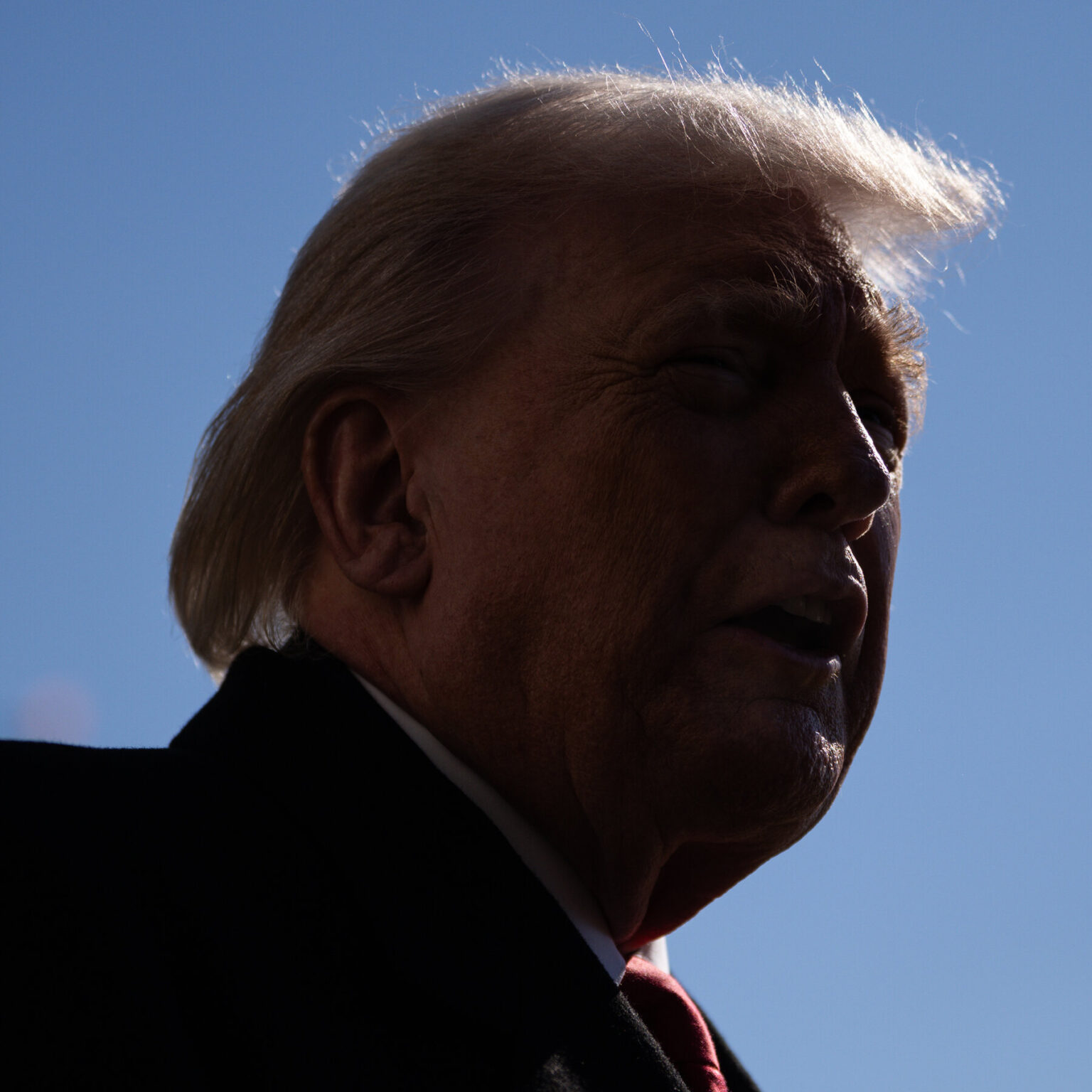
Democratic lawmakers attending the Munich Security Conference this week conceded that diplomatic scars from former President Trump’s controversial threats to acquire Greenland continue to impact U.S. relationships with key allies, according to officials familiar with the discussions.
The acknowledgment comes as American representatives work to rebuild trust with European partners and address lingering concerns about U.S. foreign policy consistency. The statements underscore how Trump’s unconventional diplomatic approach continues to influence international relations even after leaving office.
Background on Greenland Controversy
The diplomatic tensions stem from Trump’s repeated suggestions during his presidency that the United States should purchase Greenland from Denmark. These proposals, first reported in 2019, sparked immediate backlash from Danish officials who called the idea “absurd.”
Trump’s interest in the autonomous Danish territory reportedly intensified due to its strategic military importance and potential mineral resources. The former president even canceled a planned state visit to Denmark after Prime Minister Mette Frederiksen rejected the purchase proposal.
The controversy resurfaced recently when Trump renewed calls for U.S. control over Greenland, causing fresh diplomatic tensions and prompting concerns among NATO allies about American foreign policy predictability.
Current Diplomatic Challenges
At the Munich conference, Democratic representatives privately acknowledged that rebuilding trust with European allies remains challenging, according to sources familiar with the discussions. The ongoing Greenland issue serves as a symbol of broader concerns about U.S. diplomatic consistency.
European officials have reportedly expressed frustration with what they perceive as recurring threats to established international norms. These tensions complicate efforts to strengthen transatlantic cooperation on defense, trade, and climate issues.
The diplomatic fallout extends beyond Denmark, as other Nordic countries and EU members have voiced solidarity with Danish sovereignty claims over Greenland’s future.
Strategic Implications for America
Defense experts emphasize Greenland’s growing strategic importance as Arctic ice melts and new shipping routes emerge. The territory hosts Thule Air Base, a crucial component of U.S. missile defense systems and Arctic surveillance operations.
China and Russia’s increasing Arctic presence has heightened American interest in maintaining influence in the region. However, analysts warn that confrontational approaches could undermine existing defense cooperation agreements with Denmark.
The U.S. already maintains significant military cooperation with Denmark regarding Greenland’s defense, making outright acquisition unnecessary according to foreign policy experts.
Economic Considerations
Greenland’s potential mineral wealth, including rare earth elements crucial for technology manufacturing, adds economic dimensions to the territorial dispute. American companies seek greater access to these resources amid supply chain concerns.
However, economists note that investment partnerships could achieve similar economic goals without threatening Danish sovereignty or damaging allied relationships.
Rebuilding Allied Trust
Current administration officials have worked to reassure European partners about America’s commitment to traditional diplomatic approaches. However, the potential for future policy reversals continues to concern international partners.
Danish officials have indicated willingness to strengthen existing defense partnerships while firmly rejecting any sovereignty discussions. This position enjoys broad support among EU members and NATO allies.
Diplomatic sources suggest that concrete commitments to multilateral cooperation may help address lingering concerns about American foreign policy reliability.
Future Outlook
The Munich discussions highlight ongoing challenges in transatlantic relations as European allies seek assurances about long-term U.S. policy stability. The Greenland issue represents broader questions about American commitment to established international frameworks.
Foreign policy experts predict that Arctic competition will intensify, requiring careful diplomatic balance between asserting American interests and maintaining allied cooperation.
Resolution of these tensions may require explicit commitments to respecting Danish sovereignty while expanding legitimate defense and economic partnerships in the Arctic region.
Additional Context
The United States has historical precedent for major territorial acquisitions, including Alaska’s purchase from Russia in 1867. However, modern international law and diplomatic norms have evolved significantly since the 19th century.
Greenlandic officials have increasingly asserted their own voice in sovereignty discussions, complicating any potential future negotiations regardless of Danish positions.
Did You Know?
Greenland is the world’s largest island, covering over 836,000 square miles, yet has a population of only about 56,000 people. Despite its name, approximately 80% of the island is covered by ice, making it strategically valuable for climate research and Arctic navigation routes.